


How War Changes Children’s Brains
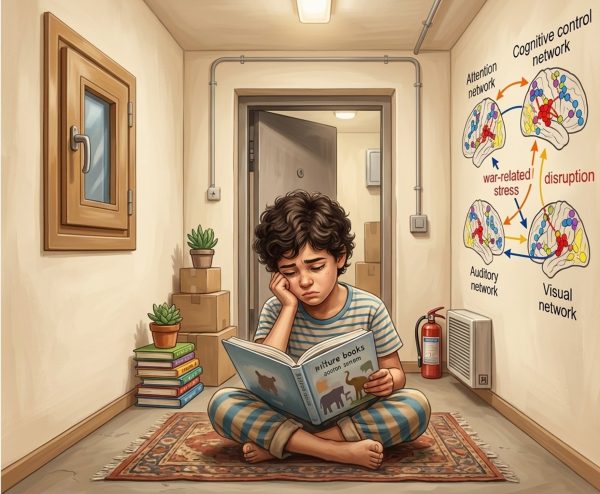
A new study found that exposure to war-related experiences is associated with changes in children’s brain activity and with difficulties in attention, reading, and language processing.
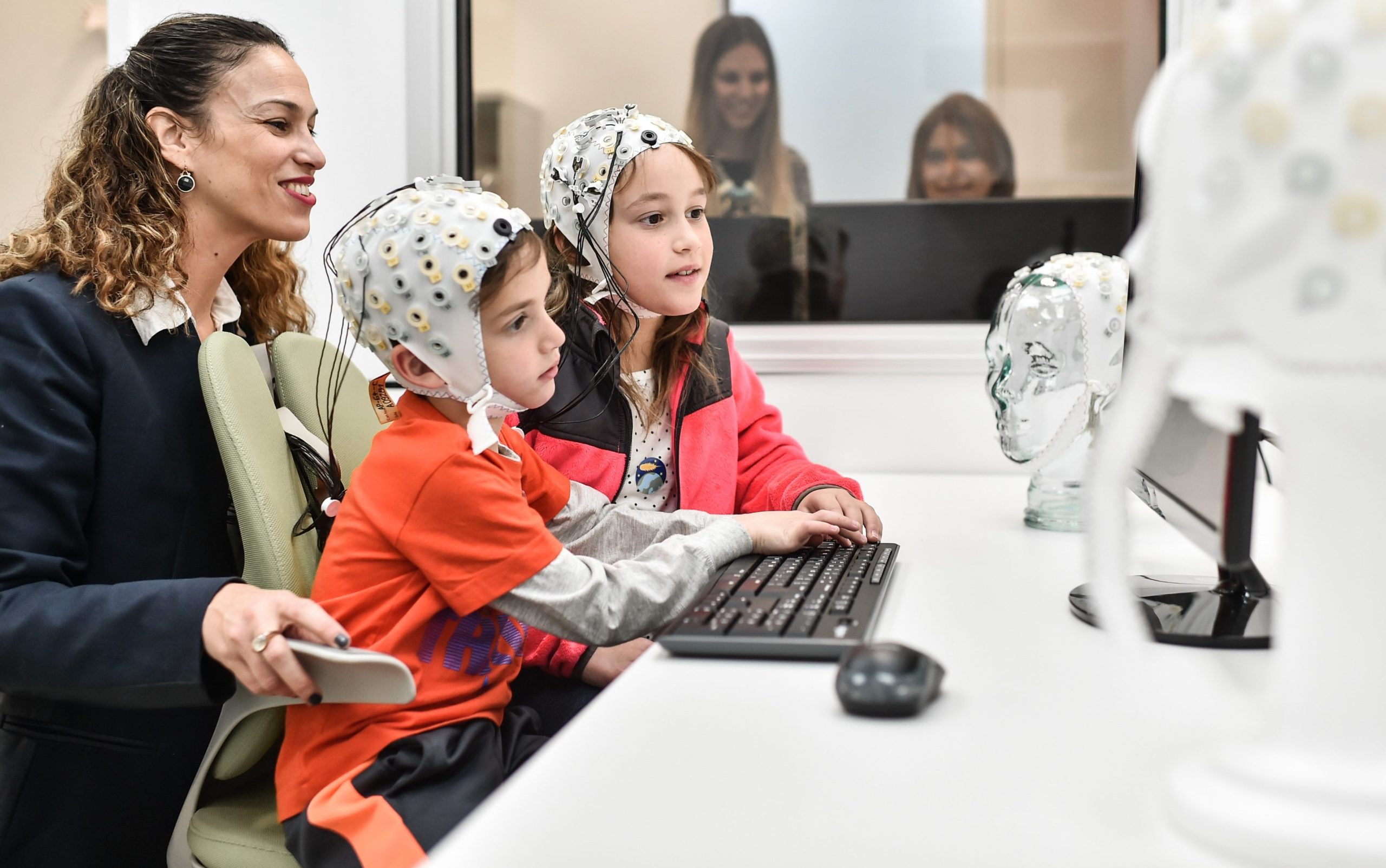
We all know that war affects how children feel and behave. But does exposure to war also change the way their brain function? To answer this question, we compared children aged 5-13 who were assessed before the war with children who were assessed during the war. We asked them to complete tasks measuring attention, language, and reading, collected information about their experiences during the war, and used advanced brain imaging to examine how different brain regions “communicate” with one another. We found that the more children were exposed to war-related experiences, such as air raid sirens, disruptions to their daily routines, or feelings of insecurity, the more they struggled with attention, reading, and language tasks. At the same time, we observed changes in the communication between different brain regions.
Our findings remind us that the effects of war do not end when the sirens stop. They may continue to influence children’s learning, concentration, and development long afterward. We hope this research will help identify children who need additional support and guide the development of interventions that can help them get back on track with their learning and healthy development.
כשהמלחמה משנה את המוח של הילדים
מחקר חדש מצא כי חשיפה לאירועי מלחמה קשורה לשינויים בפעילות המוח של ילדים, ולפגיעה ביכולות כמו קשב, קריאה ועיבוד שפה
כולנו יודעים שמלחמה משפיעה על התחושות וההתנהגות של ילדים, אבל האם חשיפה לאירועי מלחמה משפיעה גם על הדרך שבה המוח פועל? לשם כך השווינו ילדים בגילאי 5-13 שנבדקו לפני המלחמה לבין ילדים שנבדקו במהלכה. ביקשנו מהם לבצע משימות של קשב, שפה וקריאה, שאלנו על החוויות שלהם בתקופת המלחמה, ובאמצעות סריקת מוח מתקדמת בחנו כיצד אזורי מוח שונים “מדברים” זה עם זה. מצאנו שככל שהילדים נחשפו יותר לאירועי מלחמה כמו אזעקות, שינויים בשגרת החיים או תחושת חוסר ביטחון, כך הם התקשו יותר במשימות של קשב, קריאה ושפה. במקביל ראינו שגם התקשורת בין אזורים שונים במוח השתנתה. הממצאים שלנו מזכירים לנו שההשפעות של מלחמה אינן נעצרות ברגע שהאזעקה מסתיימת. הן עשויות ללוות את הילדים גם בלמידה, בריכוז ובהתפתחות שלהם. אנחנו מקווים שהמחקר יסייע לזהות ילדים שזקוקים לתמיכה, ולפתח דרכים שיסייעו להם לחזור למסלול הלמידה וההתפתחות בצורה מיטבית
Before Reading, Warm Up!
How Can a Few Minutes of Cognitive Training Help Children Read More Fluently?
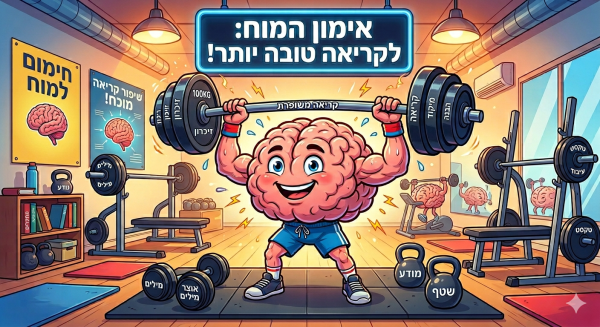
We all know that warming up before physical activity prepares the body for effort—but can we also “warm up” the brain before learning?
In our study, we followed children from first grade through third grade and examined whether a brief activity involving games that engage executive functions—such as attention, working memory, cognitive flexibility, and inhibitory control—in first grade, and again before a computerized reading intervention in third grade, could improve their reading abilities. Over the course of eight weeks, the children participated in training sessions three times a week. Their reading skills and executive functions were assessed before and after the intervention. We found that reading fluency improved significantly following the training program. Moreover, children who began the intervention with weaker executive-function skills were the ones who benefited the most from it.
Our findings highlight the important role that executive functions—such as attention, working memory, and cognitive flexibility—play in the development of reading fluency. They also suggest that activities targeting these skills before reading may help prepare the brain for learning and make the learning process more effective. This approach has important implications for the development of more tailored educational programs for children, particularly for those who experience difficulties in learning to read.
The Effect of an Executive Function Warm-Up and Reading Training on Reading Fluency in Children
!לפני שקוראים – מתחממים
?איך כמה דקות של אימון קוגניטיבי יכולות לעזור לילדים לקרוא באופן שוטף בכתה
כולנו יודעים שחימום לפני פעילות גופנית מכין את הגוף למאמץ, אבל האם אפשר “לחמם” גם את המוח לפני למידה? במחקר שלנו עקבנו אחר ילדים מכיתה א’ ועד כיתה ג’, ובדקנו האם פעילות קצרה של משחקים המפעילים יכולות כמו קשב, זיכרון עבודה, גמישות מחשבתית ושליטה בדחפים בכתה א ואז שוב לפני אימון קריאה ממוחשב בכתה ג’, יכולה לשפר את יכולת הקריאה שלהם. במשך שמונה שבועות השתתפו הילדים באימונים של שלוש פעמים בשבוע, ובחנו את יכולות הקריאה והתפקודים הניהולייםשלהם לפני האימון ואחריו
מצאנו שלאחר תוכנית האימון שטף הקריאה של הילדים השתפר באופן משמעותי. בנוסף, ילדים שהתחילו את האימון עם יכולות ניהוליות חלשות יותר היו דווקא אלה שהפיקו את התועלת הרבה ביותר מההתערבות. הממצאים שלנו מדגישים שליכולות כמו קשב, זיכרון עבודה וגמישות מחשבתית יש תפקיד חשוב בהתפתחות שטף קריאה, ומציעים שפעילות ממוקדת ביכולות ניהוליות לפני קריאה עשויה להכין את המוח ללמידה ולהפוך אותה ליעילה יותר. גישה זו חשובה לפיתוח תוכניות למידה מותאמות יותר לילדים, במיוחד עבור מי שמתקשים ברכישת הקריאה
The Effect of an Executive Function Warm-Up and Reading Training on Reading Fluency in Children